 Fortuna Sittard Hub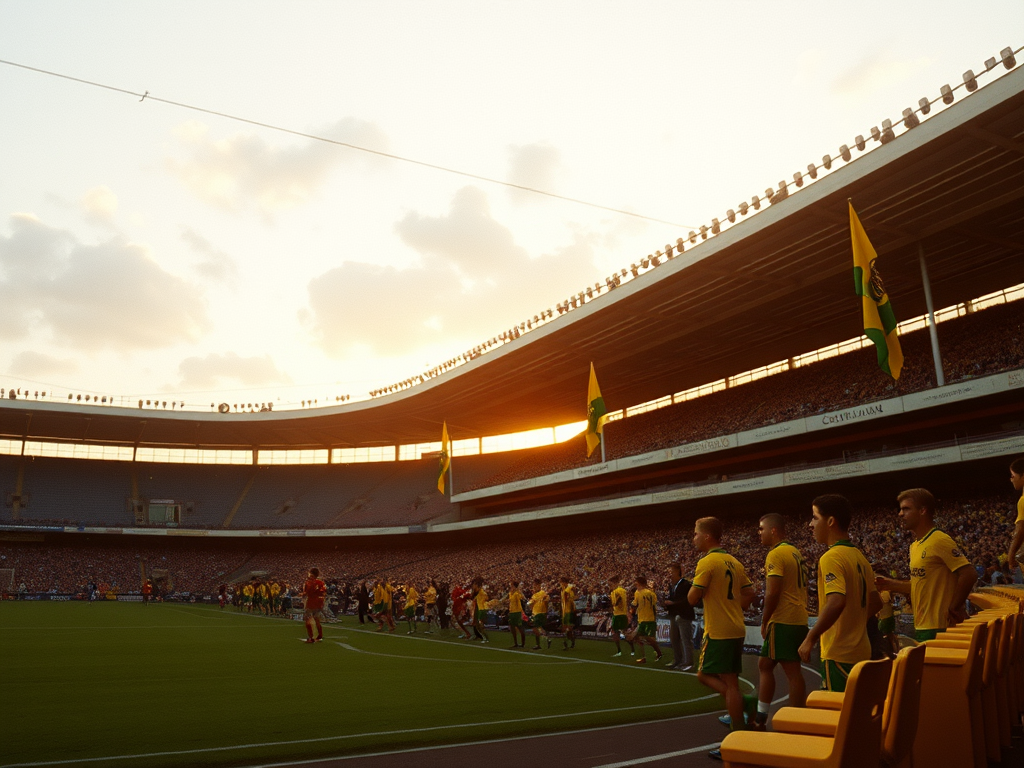
The 1990s stood as a transformative decade for Fortuna Sittard, one that would redefine the club's identity and aspirations in Dutch football. Emerging from the shadows of the previous decades, Fortuna not only sought to establish itself as a competitive force in the league but also aimed to strengthen its ties with the community and its fanbase. This period was marked by a series of ups and downs, but ultimately, it would shape the very essence of what it means to be part of this historic club.
At the start of the decade, Fortuna was grappling with inconsistencies in performance, oscillating between the Eredivisie and the Eerste Divisie. However, the appointment of key figures in management and coaching positions marked the beginning of a new era. The club invested in nurturing young talent and emphasized a playing style that resonated with their passionate supporters. Notable players emerged during this time, contributing to a sense of unity and purpose that began to permeate the club.
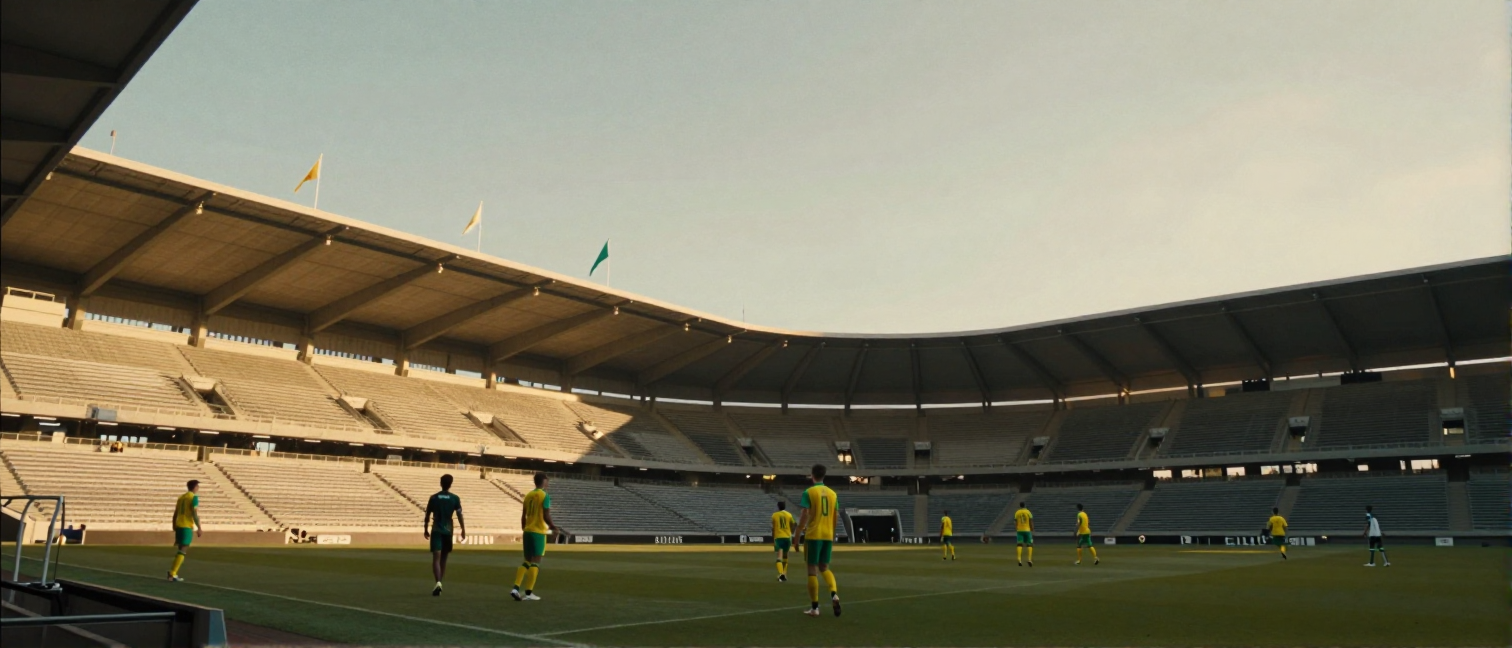
One of the standout moments of the decade came in 1998 when Fortuna Sittard achieved a remarkable turnaround by securing promotion back to the Eredivisie. This achievement was a testament to the club's resilience and the hard work of both players and coaching staff. The promotion not only reinvigorated the team but also reignited the passion of the fans, who flocked to the stadium, proudly wearing the club's colors and chanting in support. The atmosphere at the Stadion was electric, a clear reflection of the community's unwavering dedication to their beloved De Dames.
The rivalry with MVV Maastricht intensified during this decade, with each match becoming a testament to the fierce competitive spirit that defined Dutch football. The clashes between these two clubs were more than just games; they were a celebration of local pride, community identity, and the deep-rooted history that both teams shared. Fortuna's ability to perform in high-stakes matches against their rivals only solidified their reputation and garnered respect across the league.
Off the pitch, Fortuna Sittard focused on building a strong foundation for the future. The club engaged more with its supporters, creating initiatives that encouraged fan involvement and fostering a sense of belonging. Community outreach programs were developed, helping to bridge the gap between the club and its loyal followers. This effort was crucial in solidifying the club’s identity as not just a football team but a vital part of Sittard's community fabric.
As the decade drew to a close, Fortuna Sittard emerged not just as a football club but as a symbol of resilience and unity. The challenges faced during the 1990s helped to cultivate a spirit of determination that would carry the club into the new millennium. The lessons learned during this transformative period would serve as a guiding light for future generations, ensuring that Fortuna Sittard remained a beloved institution in Dutch football.