 Fortuna Sittard Hub
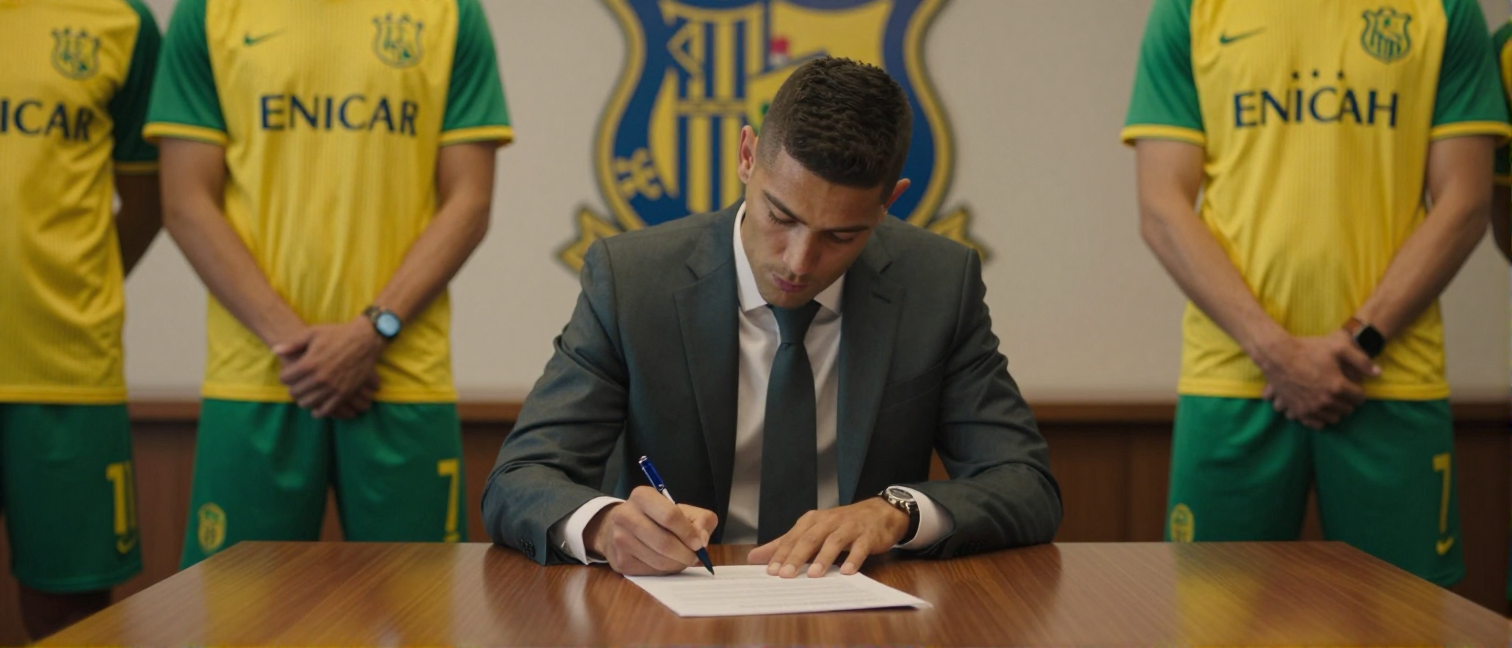
The 1970s was a defining decade for Fortuna Sittard, as the club transitioned from a regional contender to a force in Dutch football. After several years of fluctuating performance, the arrival of new management and a fresh roster of talent ignited a spark that would set the foundation for a golden era in the club's history.
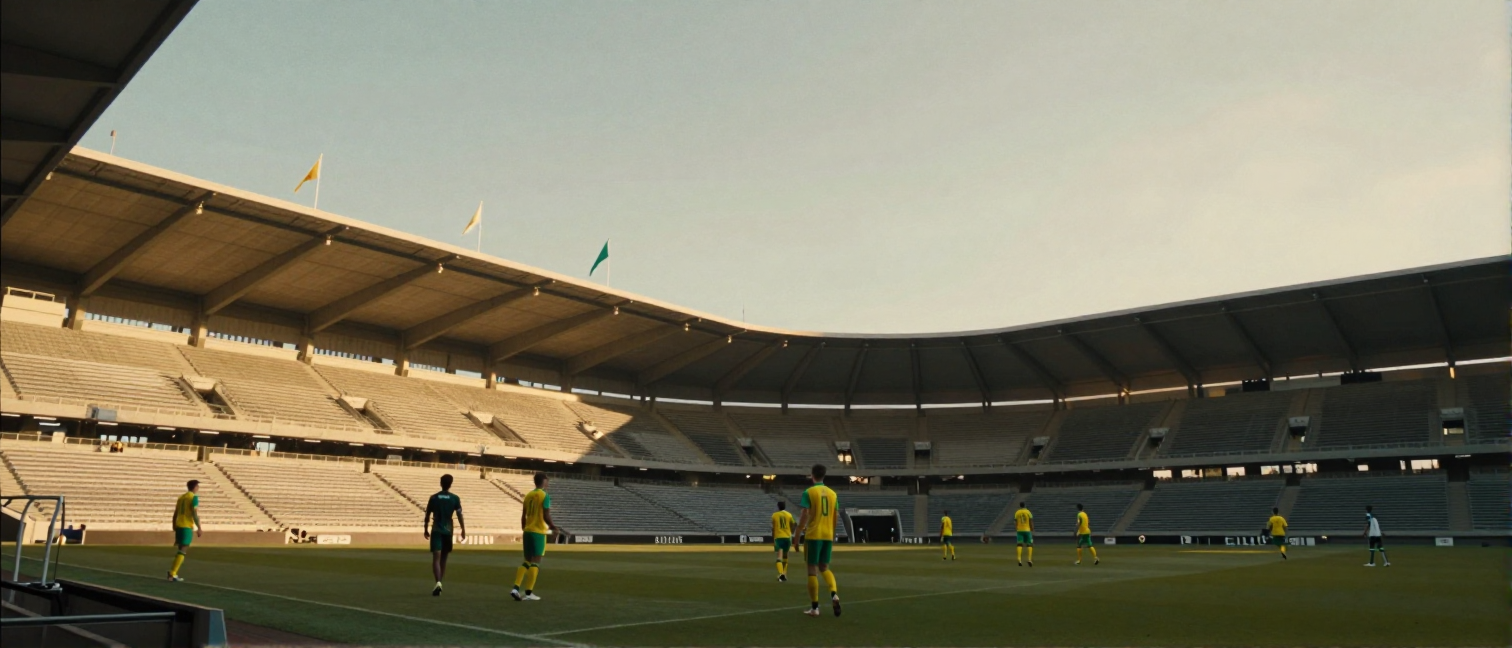
In the early part of the decade, Fortuna Sittard was competing in the Eerste Divisie, the second tier of Dutch football. However, the 1970-71 season marked a pivotal moment as the club finished in a commendable position, showcasing its potential. With a mix of homegrown talent and skilled players acquired from other clubs, the team's style began to evolve, capturing the imagination of local supporters. The fans at the Stadion, known for its vibrant atmosphere, rallied behind the team, creating a sense of unity and pride that would become synonymous with Fortuna Sittard’s identity.
As the decade progressed, Fortuna Sittard achieved back-to-back promotions in 1971 and 1972, securing its place in the Eredivisie. This rise to the top tier was not just about the accolades; it was about instilling a winning mentality within the squad and the community. Players like the talented midfielder, who displayed exceptional vision and flair, quickly became fan favorites, embodying the spirit and tenacity that the club was known for.
The late 1970s saw Fortuna Sittard competing with some of the giants of Dutch football, including Ajax and PSV Eindhoven. These matches were not only significant in terms of points but also served as a proving ground for the club's ambition and determination. The players, backed by an ever-growing fanbase, showcased their skills and resilience, often pushing their opponents to the limit. These encounters ignited a fierce rivalry with local clubs, notably MVV Maastricht, and the atmosphere on matchdays was electric, fostering a deep sense of community connection.
One of the most memorable moments of this era came during the 1975-76 season when Fortuna Sittard secured a historic victory against a top-tier opponent. The match, played at the Stadion, was a demonstration of the club’s growth and ambition, captivating fans and instilling a belief that Fortuna could compete with the best. This result was not just a win; it was a statement that the club was on the rise and had aspirations beyond mere survival in the league.
As the decade came to a close, Fortuna Sittard had firmly established itself as a competitive force in Dutch football. The legacy of the 1970s extended far beyond the pitch; the club had built a loyal following that would support it through thick and thin in the years to come. The success of this era laid the groundwork for future generations of players and fans, ensuring that Fortuna Sittard would always hold a special place in the hearts of Sittard's residents.
In retrospect, the 1970s were not just about footballing achievements; they represented a period of growth, pride, and community spirit that defined Fortuna Sittard. As the club continues to navigate the challenges of modern football, the memories of that golden era serve as a reminder of its rich history and the unwavering support of its fans.